Menu
Menu



BROADCAST FILM AND VIDEO DIRECTORY
Broadcast News

08/05/2026
Managing Professional Sound Libraries For Broadcast Production Workflows
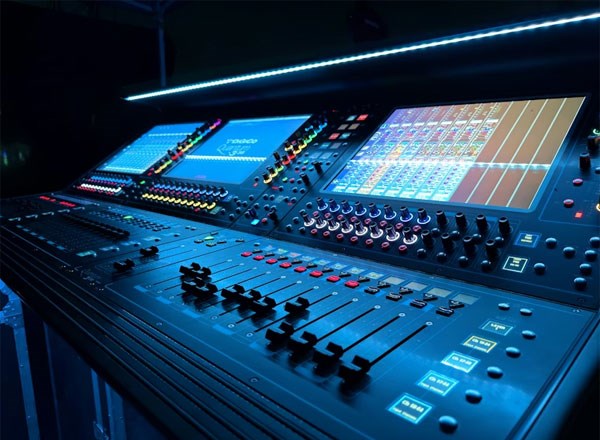
Broadcast production depends on clear visuals, structured editing, and reliable audio elements that support storytelling across television programs, news packages, documentaries, and promotional segments. Editors working in broadcast environments must assemble sequences quickly while maintaining professional sound quality, which means sound resources must be organised, accessible, and consistent across every project.
Production teams often work under strict deadlines while assembling complex edits that combine interviews, graphics, footage, and narration within a tight schedule. Editors rely on carefully prepared sound assets to support transitions, emphasise visual changes, and reinforce the structure of the program while maintaining clarity across the entire mix.
In many broadcast environments, an organised sound effects library becomes an essential part of the editing workflow because editors frequently need immediate access to sound elements that support scene changes, graphic transitions, and visual highlights within a program. A well managed library allows production teams to maintain efficiency while ensuring consistent sound quality across multiple projects.
Sound design as part of broadcast production
Professional broadcast editing combines visual storytelling with carefully selected sound elements that help guide the viewer through a sequence of images and information. Editors use sound accents to reinforce transitions between segments, emphasise graphic elements, and support the pacing of a broadcast package while maintaining clarity for dialogue and narration.
Sound design also helps create a cohesive identity across programs because consistent use of specific sound elements can reinforce the style and tone of a network or production team. Intro sequences, graphic transitions, and promotional segments often rely on recognisable audio cues that support visual branding while enhancing the viewing experience.
The value of structured sound collections
Efficient broadcast production depends on the ability to locate and apply sound elements quickly during the editing process, which makes structured sound collections extremely valuable for production teams working with large volumes of content. Organised libraries allow editors to find appropriate sounds without interrupting the creative process, which is especially important in environments where multiple projects move through post production simultaneously.
Using a sound effects library in broadcast editing
Editors working in television production frequently rely on a sound effects library to locate specific sound elements that support visual transitions, graphic overlays, and program segments while maintaining consistency across different productions. These libraries often contain thousands of categorised sounds that allow editors to select appropriate accents without spending excessive time searching for new resources.
Professional sound collections typically include a wide range of categories such as impacts, ambiences, transitions, and motion sounds, which allows editors to match sound elements with the visual structure of each program. When these libraries are organised effectively, editors can quickly identify the sounds that best support the visual content while maintaining the quality expected in broadcast environments.
Transition sounds in broadcast video editing
Broadcast editing frequently involves visual transitions that connect scenes, introduce new segments, or support animated graphics used in news packages and promotional content. Sound design becomes particularly valuable in these moments because it helps reinforce the movement and structure of the edit without distracting from the core message of the program.
Integrating whooshes sound effects in visual transitions
Editors often integrate whooshes sound effects when transitions involve movement across the screen, such as animated lower thirds, graphic wipes, or segment introductions that require a subtle sense of motion. These sounds reinforce visual changes by providing an audio cue that signals movement and helps viewers follow the transition more naturally.
Motion based sounds can also support graphic design elements used in broadcast packages because animated titles and visual overlays often include movement that benefits from a matching sound accent. When used with restraint and proper timing, these sounds help unify the visual and audio components of a broadcast sequence.
Asset organization strategies in broadcast environments
Broadcast production teams typically manage large collections of audio assets that must remain organised so editors can retrieve them quickly during the editing process. Proper organisation helps maintain efficiency while reducing the risk of inconsistent sound usage across different projects.
Production teams often categorise sound assets according to function so editors can locate sounds that match specific editing tasks. Common organisation strategies include grouping sounds by type, such as transitions, impacts, and ambiences, while also applying clear naming conventions that allow editors to identify appropriate sounds at a glance.
Metadata tagging and searchable asset management systems also play an important role in large broadcast environments because they allow editors to filter sound assets quickly while maintaining consistency across shared libraries used by multiple production teams.
Reliable sound libraries for professional workflows
Production environments that handle broadcast content often benefit from curated sound libraries that provide high quality audio elements designed for professional editing workflows. These collections allow editors to work efficiently while maintaining the technical and creative standards expected in television production.
Some production teams rely on curated sound collections such as those offered by Ocular because these libraries provide a wide range of professionally designed sounds that integrate smoothly into editing timelines while maintaining clarity within broadcast mixes.
A well organised sound library remains one of the most valuable resources in broadcast editing because it allows editors to enhance visual storytelling, reinforce transitions, and maintain consistent audio quality across programs while keeping production workflows efficient and reliable.
Production teams often work under strict deadlines while assembling complex edits that combine interviews, graphics, footage, and narration within a tight schedule. Editors rely on carefully prepared sound assets to support transitions, emphasise visual changes, and reinforce the structure of the program while maintaining clarity across the entire mix.
In many broadcast environments, an organised sound effects library becomes an essential part of the editing workflow because editors frequently need immediate access to sound elements that support scene changes, graphic transitions, and visual highlights within a program. A well managed library allows production teams to maintain efficiency while ensuring consistent sound quality across multiple projects.
Sound design as part of broadcast production
Professional broadcast editing combines visual storytelling with carefully selected sound elements that help guide the viewer through a sequence of images and information. Editors use sound accents to reinforce transitions between segments, emphasise graphic elements, and support the pacing of a broadcast package while maintaining clarity for dialogue and narration.
Sound design also helps create a cohesive identity across programs because consistent use of specific sound elements can reinforce the style and tone of a network or production team. Intro sequences, graphic transitions, and promotional segments often rely on recognisable audio cues that support visual branding while enhancing the viewing experience.
The value of structured sound collections
Efficient broadcast production depends on the ability to locate and apply sound elements quickly during the editing process, which makes structured sound collections extremely valuable for production teams working with large volumes of content. Organised libraries allow editors to find appropriate sounds without interrupting the creative process, which is especially important in environments where multiple projects move through post production simultaneously.
Using a sound effects library in broadcast editing
Editors working in television production frequently rely on a sound effects library to locate specific sound elements that support visual transitions, graphic overlays, and program segments while maintaining consistency across different productions. These libraries often contain thousands of categorised sounds that allow editors to select appropriate accents without spending excessive time searching for new resources.
Professional sound collections typically include a wide range of categories such as impacts, ambiences, transitions, and motion sounds, which allows editors to match sound elements with the visual structure of each program. When these libraries are organised effectively, editors can quickly identify the sounds that best support the visual content while maintaining the quality expected in broadcast environments.
Transition sounds in broadcast video editing
Broadcast editing frequently involves visual transitions that connect scenes, introduce new segments, or support animated graphics used in news packages and promotional content. Sound design becomes particularly valuable in these moments because it helps reinforce the movement and structure of the edit without distracting from the core message of the program.
Integrating whooshes sound effects in visual transitions
Editors often integrate whooshes sound effects when transitions involve movement across the screen, such as animated lower thirds, graphic wipes, or segment introductions that require a subtle sense of motion. These sounds reinforce visual changes by providing an audio cue that signals movement and helps viewers follow the transition more naturally.
Motion based sounds can also support graphic design elements used in broadcast packages because animated titles and visual overlays often include movement that benefits from a matching sound accent. When used with restraint and proper timing, these sounds help unify the visual and audio components of a broadcast sequence.
Asset organization strategies in broadcast environments
Broadcast production teams typically manage large collections of audio assets that must remain organised so editors can retrieve them quickly during the editing process. Proper organisation helps maintain efficiency while reducing the risk of inconsistent sound usage across different projects.
Production teams often categorise sound assets according to function so editors can locate sounds that match specific editing tasks. Common organisation strategies include grouping sounds by type, such as transitions, impacts, and ambiences, while also applying clear naming conventions that allow editors to identify appropriate sounds at a glance.
Metadata tagging and searchable asset management systems also play an important role in large broadcast environments because they allow editors to filter sound assets quickly while maintaining consistency across shared libraries used by multiple production teams.
Reliable sound libraries for professional workflows
Production environments that handle broadcast content often benefit from curated sound libraries that provide high quality audio elements designed for professional editing workflows. These collections allow editors to work efficiently while maintaining the technical and creative standards expected in television production.
Some production teams rely on curated sound collections such as those offered by Ocular because these libraries provide a wide range of professionally designed sounds that integrate smoothly into editing timelines while maintaining clarity within broadcast mixes.
A well organised sound library remains one of the most valuable resources in broadcast editing because it allows editors to enhance visual storytelling, reinforce transitions, and maintain consistent audio quality across programs while keeping production workflows efficient and reliable.
Top Related Stories
Click here for the latest broadcast news stories.
22/05/2014
Sound Mixer Relies On Sound Devices' Digital Recorder For Audio Production
Veteran Sound Mixer Danny Michael, whose recent portfolio includes the high-profile feature films The Secret Life of Walter Mitty with Ben Stiller, Jo
Sound Mixer Relies On Sound Devices' Digital Recorder For Audio Production
Veteran Sound Mixer Danny Michael, whose recent portfolio includes the high-profile feature films The Secret Life of Walter Mitty with Ben Stiller, Jo
25/09/2012
Soularity Sound Upgrade To 5.1 Surround Sound Production Capability
Providing cutting-edge post-production audio services for the thriving independent film industry in Austin, Texas, Korey Pereira, Owner and Lead Engin
Soularity Sound Upgrade To 5.1 Surround Sound Production Capability
Providing cutting-edge post-production audio services for the thriving independent film industry in Austin, Texas, Korey Pereira, Owner and Lead Engin
25/02/2020
Prism Sound Selects Vintage Sound
Prism Sound has appointed Vintage Sound as its distributor in Thailand, Laos, Cambodia and Vietnam. They will be responsible for the company's full ra
Prism Sound Selects Vintage Sound
Prism Sound has appointed Vintage Sound as its distributor in Thailand, Laos, Cambodia and Vietnam. They will be responsible for the company's full ra
17/08/2015
Sound Devices 664 and CL-6 Assist Sound Mixer Sharon Frye
Field Mixer Sharon Frye spends the bulk of her time working on such reality television projects as MTV's The Real World and, most recently, Oxygen's B
Sound Devices 664 and CL-6 Assist Sound Mixer Sharon Frye
Field Mixer Sharon Frye spends the bulk of her time working on such reality television projects as MTV's The Real World and, most recently, Oxygen's B
27/03/2013
Prism Sound Reveals Lyra Audio Interface At Prolight + Sound 2013
European studio producers, musicians and DJs will have their first opportunity to see Prism Sound’s new Lyra family of Audio Interfaces at this year’s
Prism Sound Reveals Lyra Audio Interface At Prolight + Sound 2013
European studio producers, musicians and DJs will have their first opportunity to see Prism Sound’s new Lyra family of Audio Interfaces at this year’s
25/09/2012
Orbital Sound Launches New Training Course To Help Theatre Sound Operators
Orbital Sound has announced a brand new training course, designed to help aspiring theatre sound operators take their show mixing skills to the next l
Orbital Sound Launches New Training Course To Help Theatre Sound Operators
Orbital Sound has announced a brand new training course, designed to help aspiring theatre sound operators take their show mixing skills to the next l
08/08/2012
DPA Microphones Brings Exceptional Sound Quality To The Live Sound And Touring Industries
At PLASA 2012 (Hall 1, Stand F38), DPA Microphones and its UK distributor Sound Network will showcase an outstanding range of high quality microphones
DPA Microphones Brings Exceptional Sound Quality To The Live Sound And Touring Industries
At PLASA 2012 (Hall 1, Stand F38), DPA Microphones and its UK distributor Sound Network will showcase an outstanding range of high quality microphones
17/09/2009
Orbital Sound Announces Theatre Sound 2-Day Training Course In October
Orbital Sound, the leading sound and communication systems specialist for the theatre, event and broadcast markets, has unveiled its latest training p
Orbital Sound Announces Theatre Sound 2-Day Training Course In October
Orbital Sound, the leading sound and communication systems specialist for the theatre, event and broadcast markets, has unveiled its latest training p
01/08/2006
Prism Sound helps José Gonzáles sound even sweeter
Electric Mastering, the most recent addition to the UK's mastering scene, has been using Prism Sound's ADA-8XR multichannel converter processor to mas
Prism Sound helps José Gonzáles sound even sweeter
Electric Mastering, the most recent addition to the UK's mastering scene, has been using Prism Sound's ADA-8XR multichannel converter processor to mas
06/07/2011
Panasonic Announce Broadcast & Production Ltd as Authorised Panasonic Broadcast Dealer
Established in 2003, Broadcast & Production Services (BPS) is one of the UK's leading suppliers of broadcast video and audio equipment and effective f
Panasonic Announce Broadcast & Production Ltd as Authorised Panasonic Broadcast Dealer
Established in 2003, Broadcast & Production Services (BPS) is one of the UK's leading suppliers of broadcast video and audio equipment and effective f
31/05/2005
Gee Broadcast and Lightworks to collaborate at the Broadcast Production Show
Gee Broadcast Systems Ltd and Lightworks UK Ltd will exhibit together at the Broadcast Production Show at Earls Court in London from June 1-3 2005. Fe
Gee Broadcast and Lightworks to collaborate at the Broadcast Production Show
Gee Broadcast Systems Ltd and Lightworks UK Ltd will exhibit together at the Broadcast Production Show at Earls Court in London from June 1-3 2005. Fe
09/10/2003
ATG Broadcast to create production village for BBC Broadcast
One of Europe's leading systems integrators, ATG Broadcast, has been selected to design and build a fully digital production village within BBC Broadc
ATG Broadcast to create production village for BBC Broadcast
One of Europe's leading systems integrators, ATG Broadcast, has been selected to design and build a fully digital production village within BBC Broadc
03/11/2025
Radio Loma Enhances Broadcast Sound With AEQ CAPITOL-IP Digital Audio Mixer
Radio Loma was founded in Torreperogil (Jaén, Spain) as a municipal radio station in 2005, broadcasting on 107.7 FM. That same year, Antonio Rosillo M
Radio Loma Enhances Broadcast Sound With AEQ CAPITOL-IP Digital Audio Mixer
Radio Loma was founded in Torreperogil (Jaén, Spain) as a municipal radio station in 2005, broadcasting on 107.7 FM. That same year, Antonio Rosillo M
10/05/2018
Acoustician Talks About Creating Sound Studios For Music, Broadcast And Post
Chris Walls started Level Acoustic Design four years ago and has no intention of stopping. The company has already achieved a lot creating studios for
Acoustician Talks About Creating Sound Studios For Music, Broadcast And Post
Chris Walls started Level Acoustic Design four years ago and has no intention of stopping. The company has already achieved a lot creating studios for
13/08/2012
HHB Highlights The Best In Broadcast Sound At IBC 2012
HHB Communications will be highlighting a diverse range of state-of-the-art professional audio products for broadcasters and systems integrators with
HHB Highlights The Best In Broadcast Sound At IBC 2012
HHB Communications will be highlighting a diverse range of state-of-the-art professional audio products for broadcasters and systems integrators with